

Create Change around South Africa’s waste problem
We often blame each other for littering. Yes, individuals play a part but it’s not the complete picture. The big problem is our waste system and how it links to spatial inequality. But no problem is too big for individuals to make a difference. Big or small, our actions add up. Let’s create change together.




FOLLOW US ON SOCIAL MEDIA:
RECONSIDER STORIES ABOUT LITTER AND WASTE
Stories serve a purpose. In any given society, you’ll come across narratives about why things happen and who is to blame. The same can be said for popular stories about our country’s litter problem. If we want to build a groundswell of systemic and individual change, we need to ask the right set of questions like: “What are the conditions that enable and sustain littering, and what are we doing about it?” When we start questioning, and unlearning, our preconceived narratives about waste, we make space for a new story to emerge, one that introduces a different way of understanding a problem and its solutions.
Did you know?
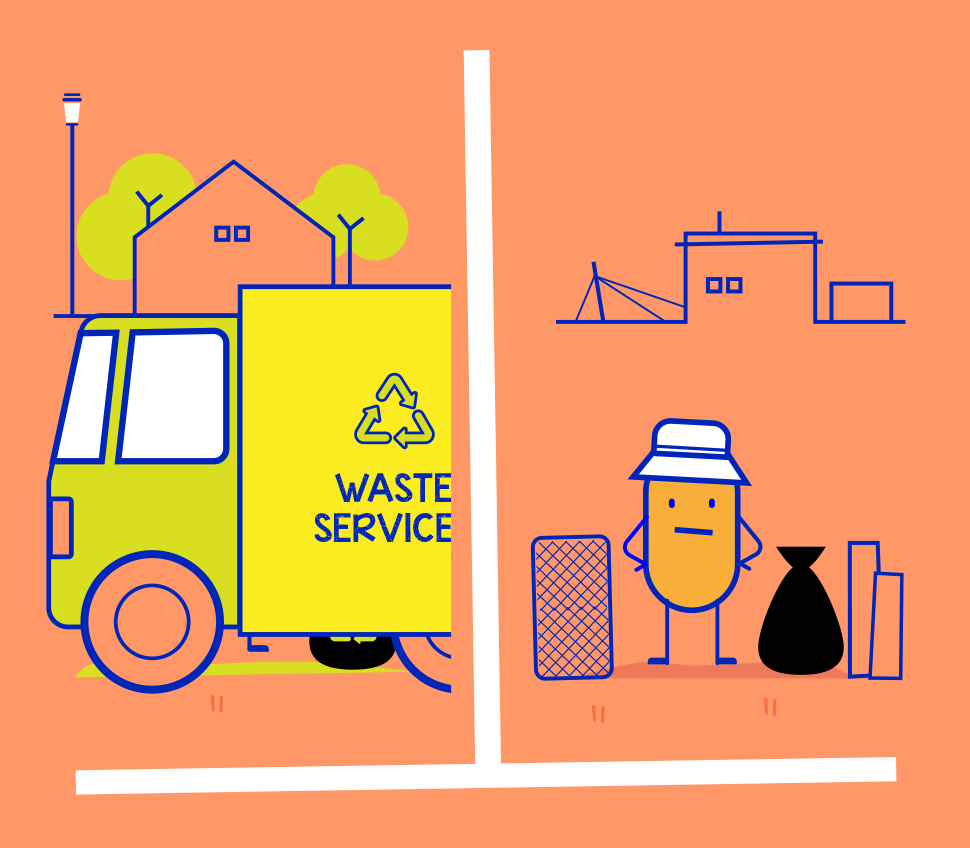
Only 6 in 10 households have access to regular refuse removal services
Brief explainers
-
 Waste problem: When we talk about the ‘waste problem’, we mean the poor management of solid waste, commonly referred to as rubbish. We do not include discussions around the mismanagement of sewage, which is also a challenge in South Africa, but not within the scope of this campaign.
-
 Littering: When an individual or group leaves their personal rubbish in public spaces without throwing it in a dustbin.
-
 Dumping: When large amounts of rubbish from households, businesses or public facilities are taken to a chosen site (legal or illegal) to be discarded.
HOW YOU ARE AFFECTED
South Africa’s waste problem is a threat to environmental, human and social well-being. Overflowing landfills are polluting our air and water, damaging our ecosystems, and making us sick. For decades, people living in informal settlements, usually on the outskirts of cities, have had both the highest exposure to dumpsites, and the poorest access to waste removal services. Waste marks out and reproduces inequality. In the process of creating and throwing out tonnes of un-recycled waste, certain people and places are also discarded and devalued. If we do things differently, waste can be a source of value that we re-invest in our shared thriving. But there is work to be done by all of us. We can begin to create change by shifting the narrative about the source and cause of our country’s waste problem, instead of apportioning blame to individuals, predominantly those that are poor and marginalised.
Short intro to the problem
All South Africans have a fundamental right to a clean environment. The country’s National Waste Management Strategy includes not only a plan for removing and dumping waste, but also avoiding, reducing, re-using and recycling it.
Yet, South Africans continue to create about 122 million tonnes of waste per year. At least 90% of this ends up in landfills or is dumped illegally, and there is only one proper integrated waste management facility in South Africa! Packaging manufacturers and big brands have little incentive to design their products for recycling or re-use. Far too much unrecyclable material is being produced, and far too much waste is going to landfills. Meanwhile, access to refuse removal declined from 65.74% in 2016 to 58.5% in 2019.
In 2021, datasets showed that 60,3% of households had their refuse removed at least once a week. But there are large discrepancies between rural, urban and metropolitan areas. People living in urban areas are more likely to have their rubbish collected than in rural parts of the country.
The number of South Africans living close to dump sites is growing, exposing them to a range of toxins that increase their risk of asthma, tuberculosis, diabetes and depression. Waste is not only about human and environmental health. It is also about social justice and collective thriving. People living in informal settlements are most likely to be exposed to waste sites. These communities also face poorer living conditions and receive fewer basic services.
Brief explainers
-
 Organic waste: Organic waste comes from plants and animals and can break down over time. When organic waste breaks down in landfills, the lack of oxygen and other factors, releases a gas called methane. Organic waste includes food scraps, like banana peels, that is often mixed up with other types of waste in bins. Methane is a powerful heat-trapping gas which is contributing to global warming. The waste sector around the world is a big contributor to methane emissions, making up around 20% of human-caused methane pollution.
-
 Composting: Composting is the simplest way to recycle food scraps and garden waste. By separating organic waste, like food scraps, from the rest of our waste and then composting it, we can cut down methane emissions from landfills. Composting is a natural process where organic materials break down into nutrient-rich soil called compost. You can compost at home using kitchen scraps and garden waste.
-
 Circular economy: The circular economy is a model of both production and consumption that extends the life cycle of products as long as possible, through refurbishment, re-appropriation, repair and recycling. In a circular economy, there are incentives to reuse products and return them to the market, rather than discarding them and extracting new ones. This requires that products are designed for durability, re-use and recyclability.
-
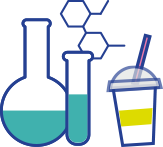 Waste beneficiation: Waste beneficiation is the treatment of waste to improve its physical or chemical properties to use it as a raw material input.
-
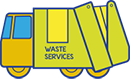 Refuse removal: Garbage collection services.
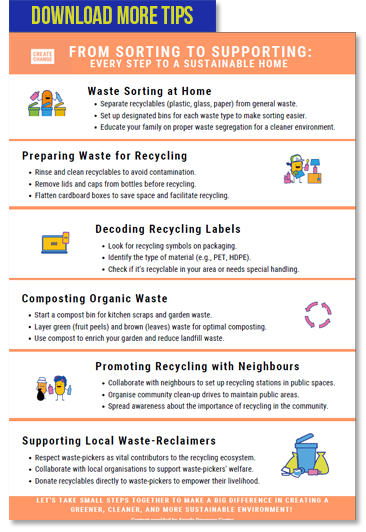
What you can do to make a difference right now
- EBuy from stores with reduced packaging
- ESort your waste
- ELearn how to read and interpret recycling labels
- ELearn how to prepare your waste for recycling
- ECompost your organic waste
- EWork with your neighbours to promote recycling and keep public spaces clean
- ESupport local waste reclaimers
Featured stories
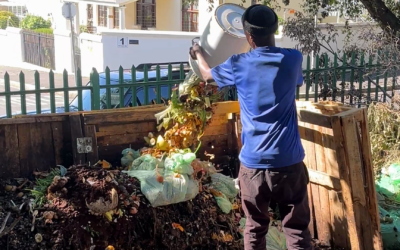
Every week, South African households throw away tonnes of organic waste. Most of it ends up in landfills, where it rots. Lumped with other stuff that people throw out,...

Waste in South Africa is growing at a faster pace than the systems meant to stop and manage it. Landfills are filling up fast, while recycling struggles to keep up. The...

Community-focused programmes that connect people in underserved areas with the ocean help spark a real passion for marine life — and a deeper understanding of how our...

A Bhekisisa Centre for health journalism investigation has found that residents are getting sick and struggling to breathe because of the air quality around an illegal...
Things to make you think
Reconsider privilege:
Reconsider waste:
Reconsider the system:
Reconsider responsibility:
some inspiration
Waste is an untapped source of energy and jobs
Energy from waste can be used to generate heat or electricity, which has the potential to replace energy from fossil fuels and reduce greenhouse gas emissions. This implies green industry and green jobs. And, recycling reduces the number of new materials that need to be extracted or produced.
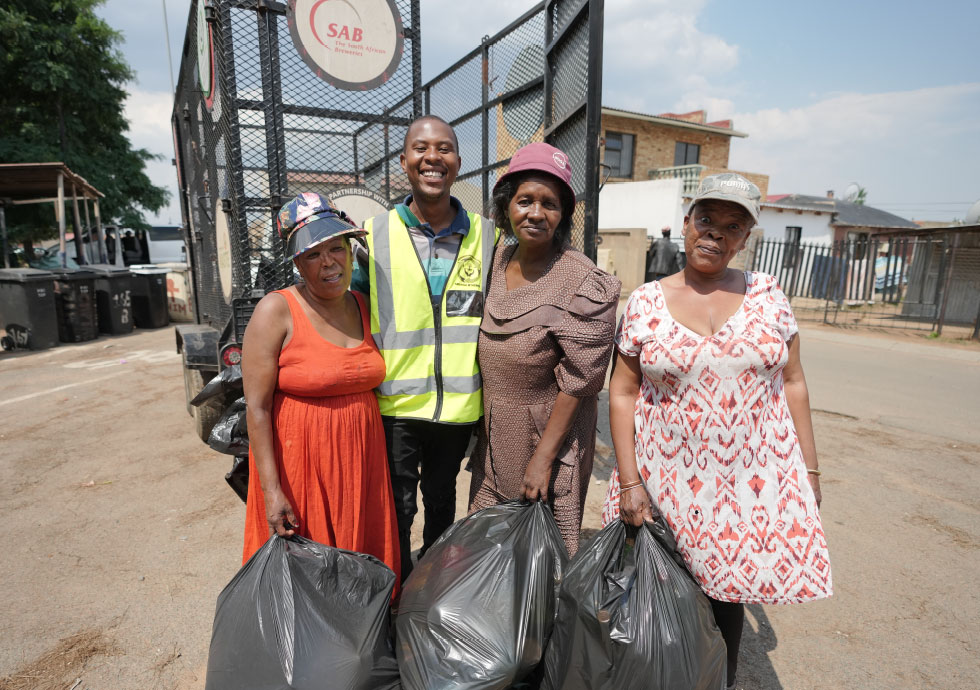
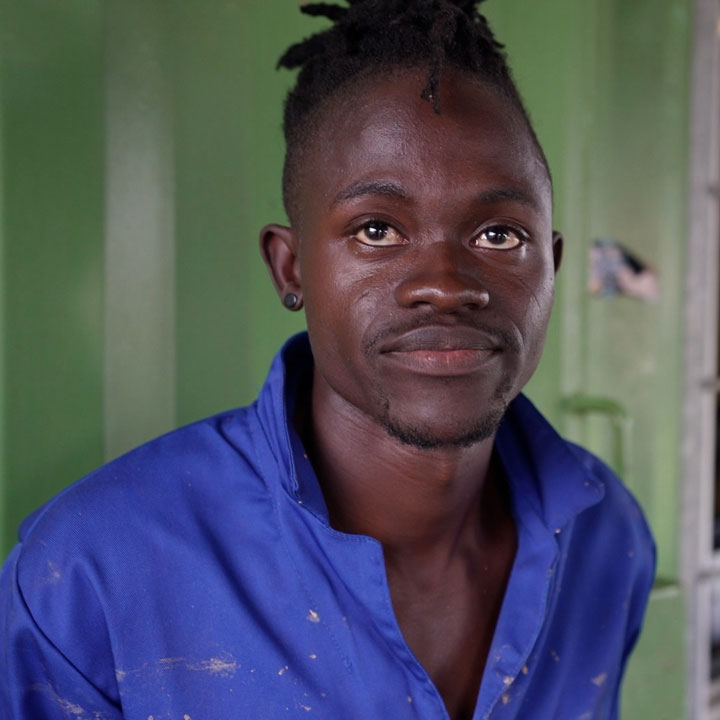
Smangaliso Mthembu runs Umphakhathi Recyclers in Soweto. He works with residents to collect recyclable products.
Watch these stories of change:
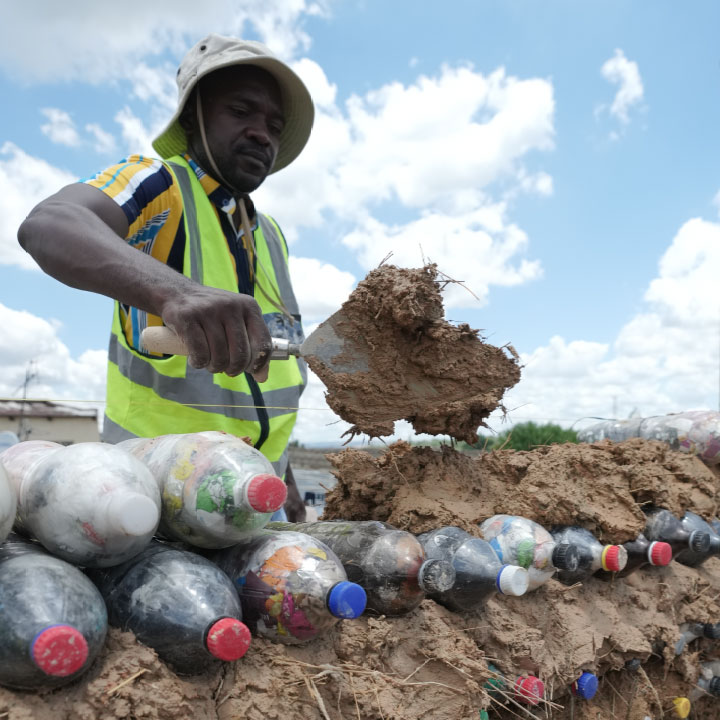
The Earthly Touch Foundation builds classrooms out of eco-bricks for a local social outreach project.
The story of Umphakhathi Recyclers in Soweto.
The Soulbent project in Saulsville.